
Community Appointment Day Guide
Welcome to the CAD Companion!
The CAD companion aims to provide a range of guides, resources and examples to help you in planning a successful Community Appointment Day.
Why take a Community Appointment Day approach?
A service might choose to hold a community appointment day (CAD) to improve access to care, reduce waiting times, and provide a more holistic approach to patient support. It is important to think of a CAD as a way of improving care and developing an improved service model rather than a one off event. Being clear from the outset about what you are hoping to achieve is important. This is all covered in the tools in the CAD companion.
Holistic Approach: By bringing together different services and community organisations, these days allow patients to address multiple needs in one location, rather than having to navigate separate appointments.

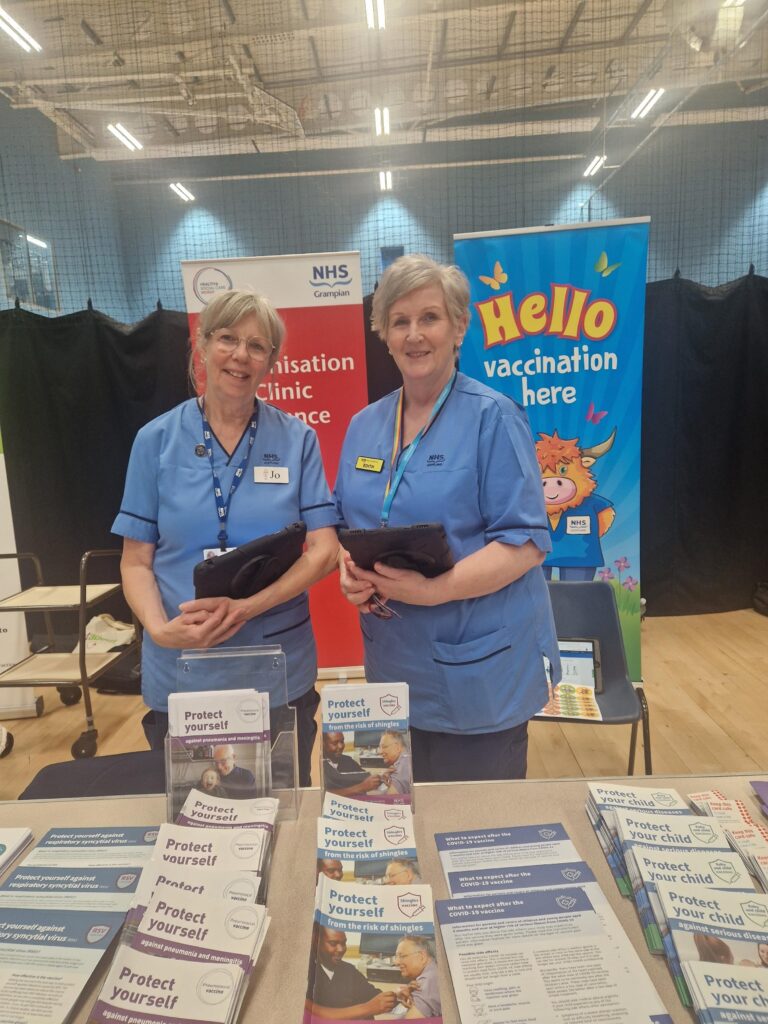
Personalised Care: A key aspect of community appointment days is the focus on “what matters to you” conversations, which helps tailor the support provided to individual needs and preferences.
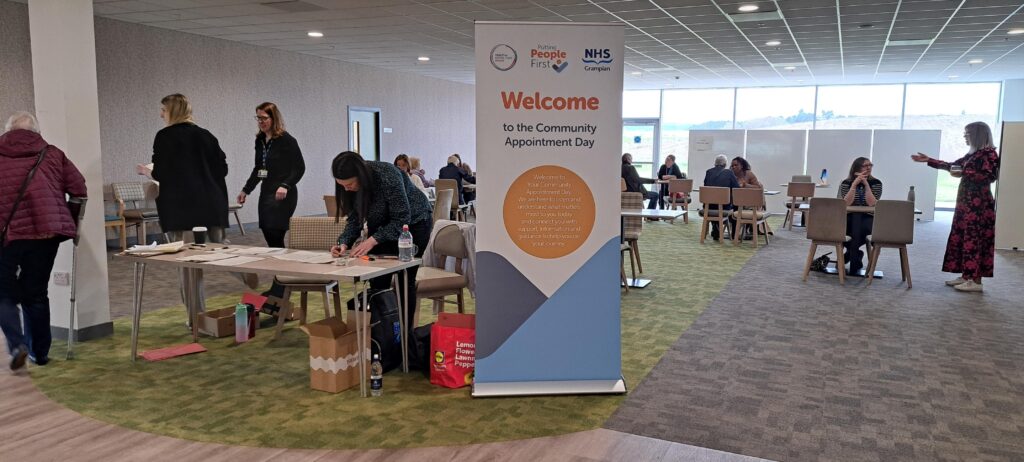
De-medicalised Setting: By holding appointments in a community setting like a leisure centre, the atmosphere is less clinical and more relaxed, potentially reducing anxiety and encouraging engagement.

Improved Access and Reduced Waiting Times: Community appointment days can address the issue of long waiting lists by offering same-day access to clinical assessments where that is appropriate‘Upstream’ CADs (which don’t target people on waiting lists) can also be beneficial. In all CADs the intention is to help people better engage with preventative activities and increase confidence to self-manage health conditions and provide easy access to holistic locally based care and support.
Build Partnerships: These events also foster stronger connections between healthcare providers, community organisations, and the individuals they serve, creating a more integrated and responsive system of care.
Community Empowerment: Community appointment days can empower patients to take a more active role in their own care by providing them with the knowledge, resources, and support to manage their conditions effectively.
Contact:
If you would like any further information surrounding CADs, have any questions that haven’t been addressed or have any feedback on this guide, please contact gram.puttingpeoplefirst@nhs.scot
A guide to getting started and the importance of engagement, putting people first and lived experience involvement.
A guide to the principles of co-production, how to implement these and specific actions to undertake with examples from previous Big Conversations.
A guide to the essential ingredients of the Community Appointment Day approach, and a checklist for considering how your CAD is addressing these.
An explanation of the importance of What Matters to You conversations for attendees, and the principles underpinning this.
A guide to developing a protocol and logic model for planning your CAD, and for facilitating its evaluation.
A guide for the different types of data that can be used for the evaluation of your CAD, with practical steps on how to capture these.
Resources including an Action Plan with additional templates within other workbooks, and a template Patient Passport.